Maclura pomifera
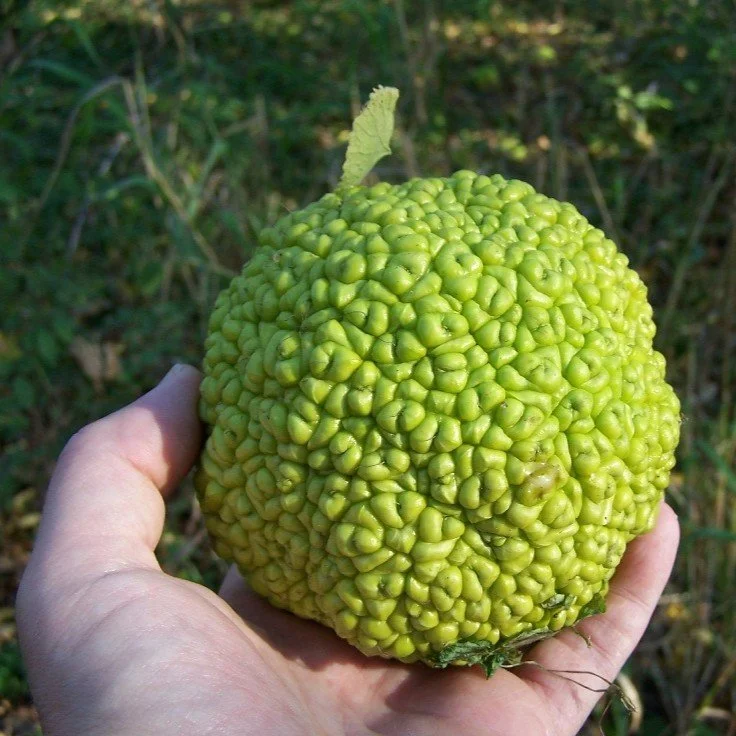
Osage orange, also known as hedge apple, horse apple, bodark, monkey brains, bowwoood, or spider ball, is a deciduous tree species native to the south-central United States. This intriguing fruit is surrounded in lore, often touted to warn off house spiders and occasionally claimed to have been a favorite fruit of the wholly mammoth. Despite the common names, Osage Orange is neither related to apples nor oranges, but is more closely related to mulberries. However, unlike most mulberries, the fruit of the Osage Orange isn’t particularly edible. You can purportedly roast the many large seeds much like pumpkin seeds, but it sounds like a lot of work.
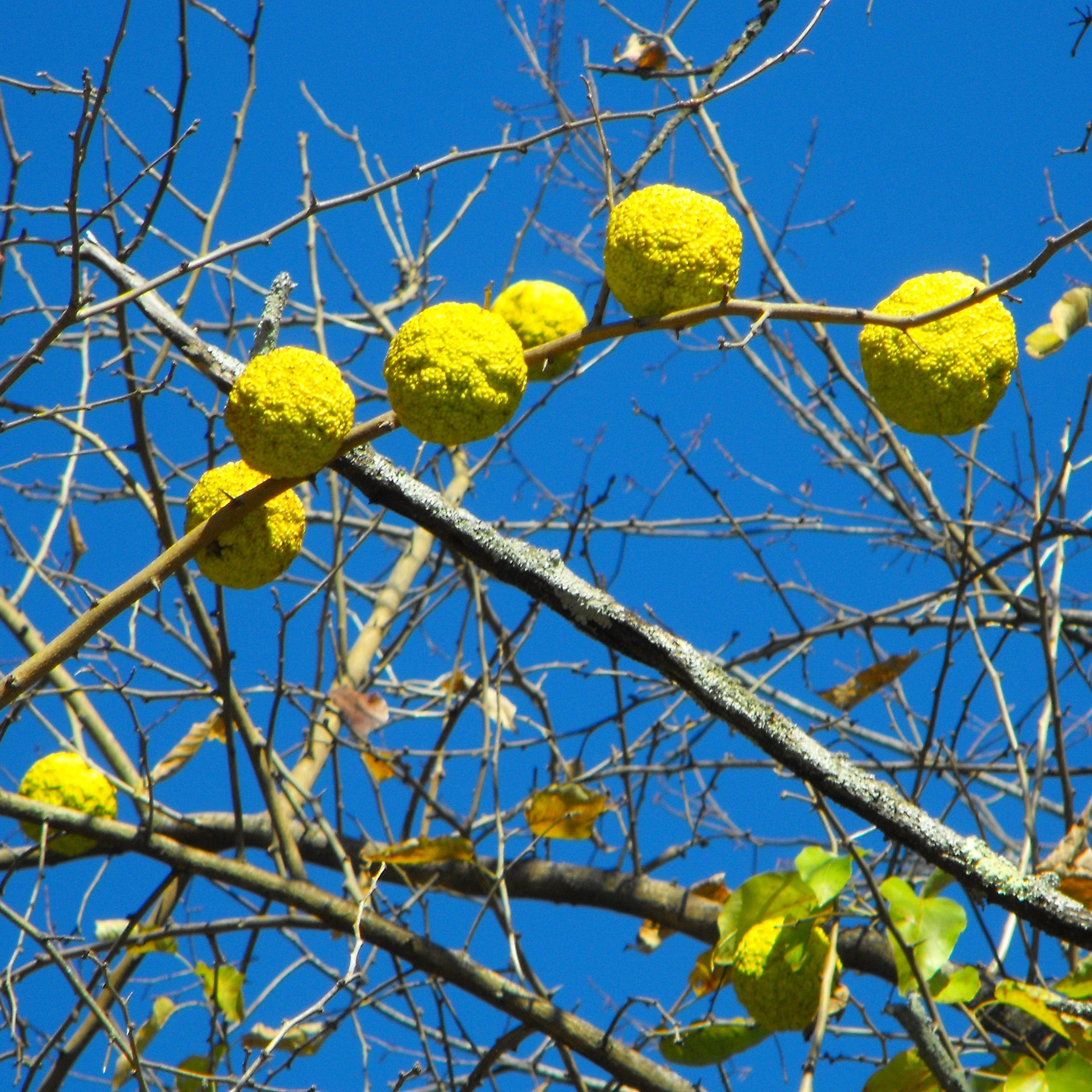
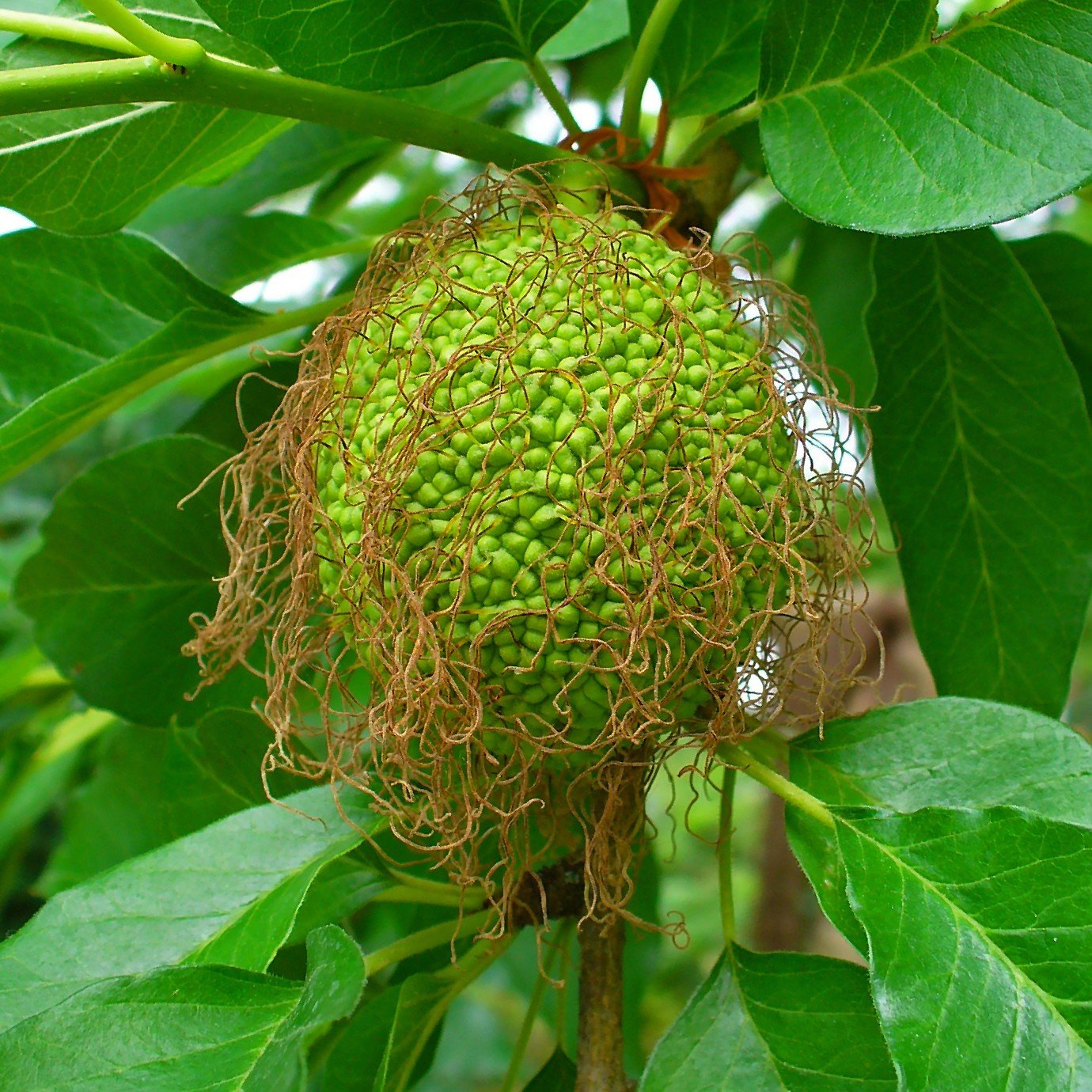
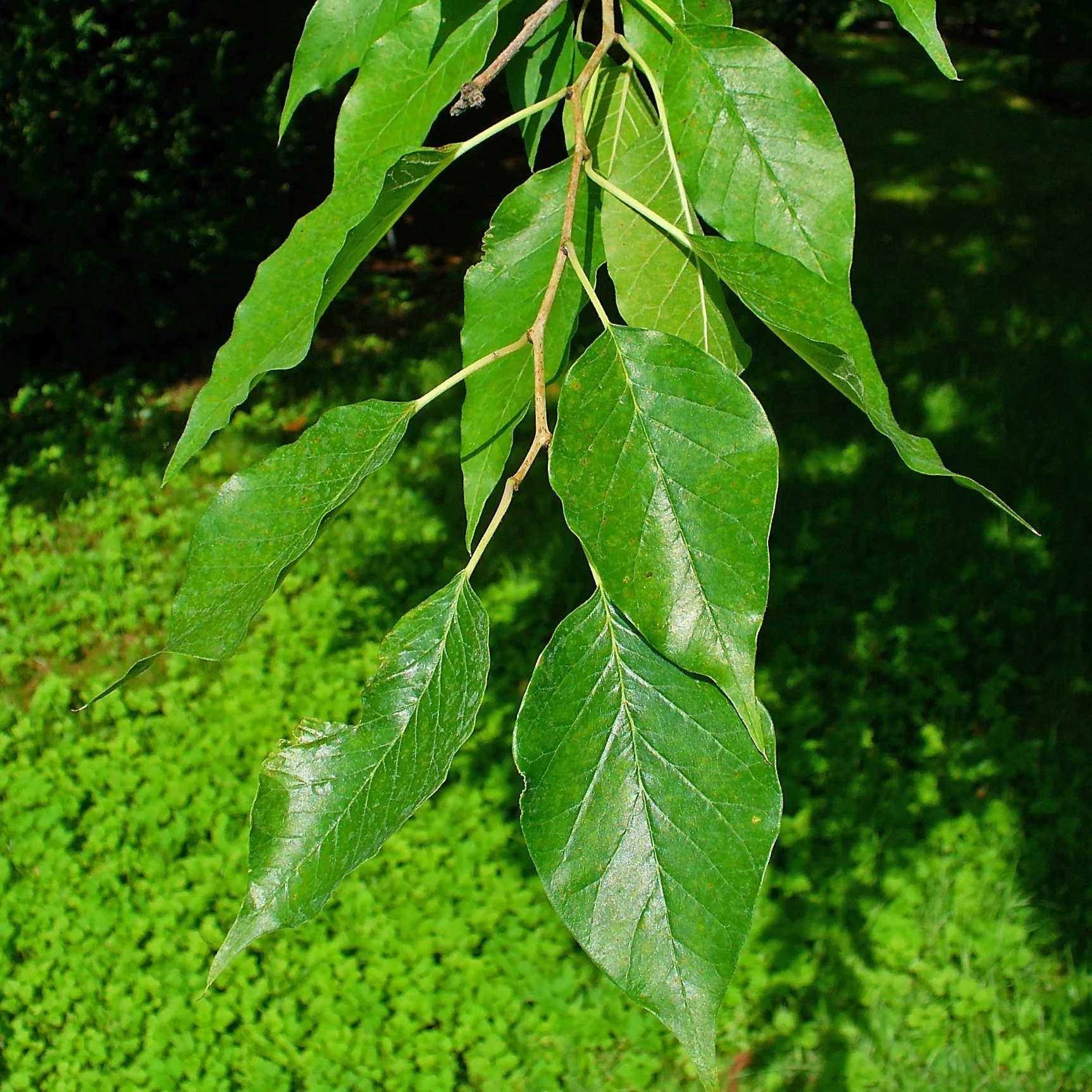
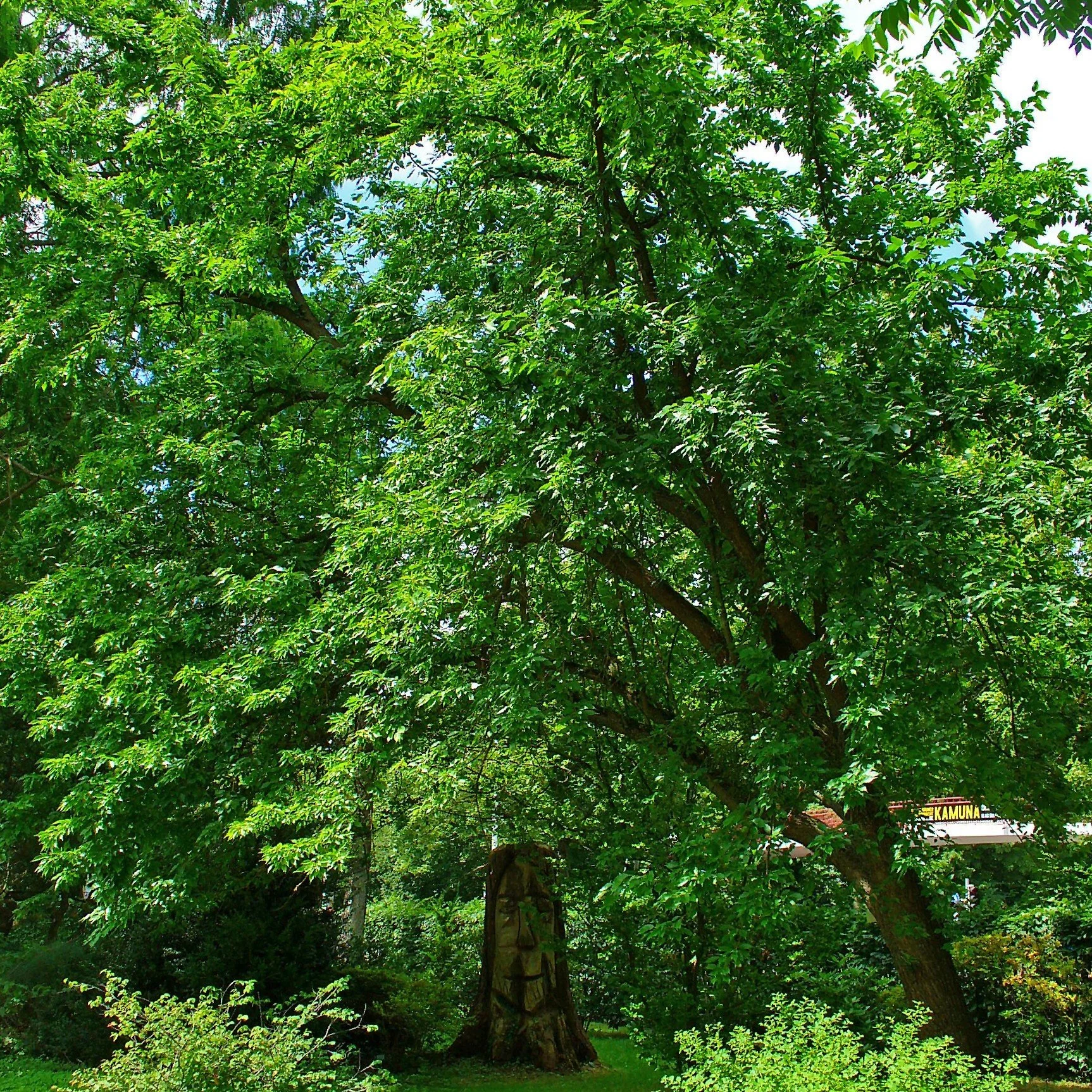
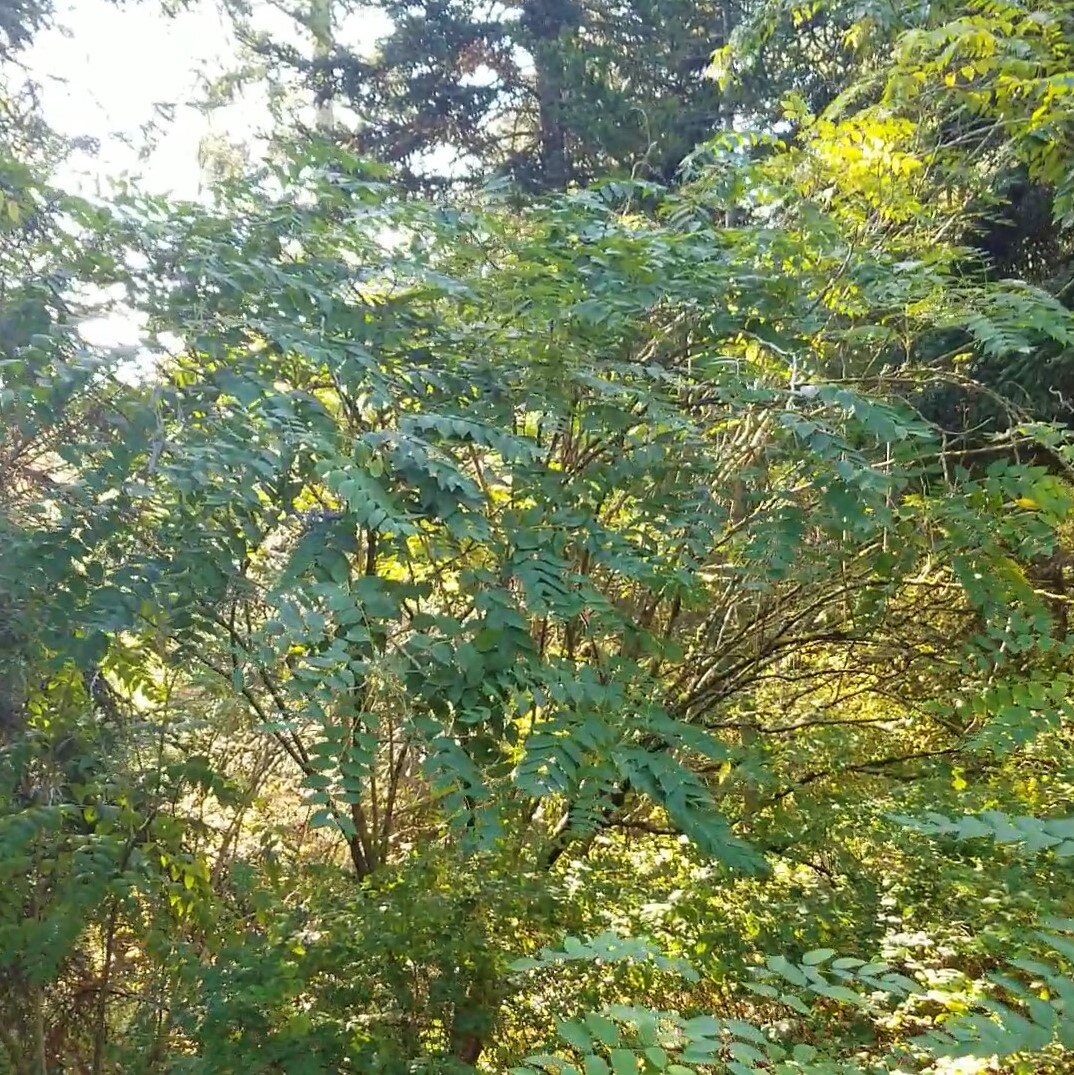
Trees grow to forty feet high and have a broad crown and stout, thorny branches. Osage Orange provides nearly year-round interest with showy yellow fall foliage and large, spherical, wrinkly fruit that often hold onto the tree into the winter months. Trees are heat, drought, and cold tolerant and their wood is renowned for being extremely dense and rot-resistant. Osage Orange is a tough and long-lived tree that is sure to draw attention with its other-worldly looking pomes.
Cold hardy to USDA zones 5a and above, or to -20 degrees Fahrenheit.
For sale are packets of 10 seeds
Maclura pomifera
Osage orange, also known as hedge apple, horse apple, bodark, monkey brains, bowwoood, or spider ball, is a deciduous tree species native to the south-central United States. This intriguing fruit is surrounded in lore, often touted to warn off house spiders and occasionally claimed to have been a favorite fruit of the wholly mammoth. Despite the common names, Osage Orange is neither related to apples nor oranges, but is more closely related to mulberries. However, unlike most mulberries, the fruit of the Osage Orange isn’t particularly edible. You can purportedly roast the many large seeds much like pumpkin seeds, but it sounds like a lot of work.
Trees grow to forty feet high and have a broad crown and stout, thorny branches. Osage Orange provides nearly year-round interest with showy yellow fall foliage and large, spherical, wrinkly fruit that often hold onto the tree into the winter months. Trees are heat, drought, and cold tolerant and their wood is renowned for being extremely dense and rot-resistant. Osage Orange is a tough and long-lived tree that is sure to draw attention with its other-worldly looking pomes.
Cold hardy to USDA zones 5a and above, or to -20 degrees Fahrenheit.
For sale are packets of 10 seeds