Crambe maritima
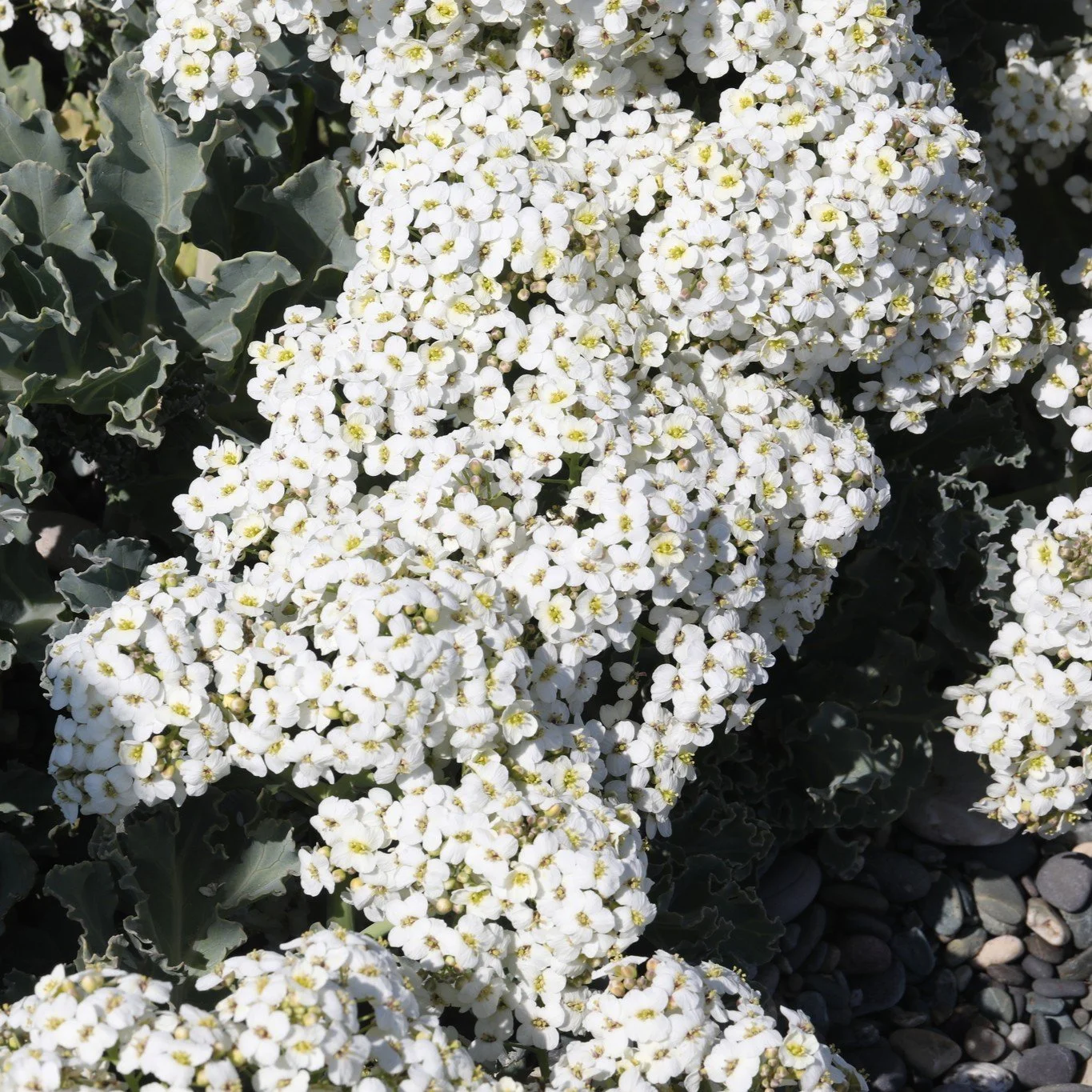
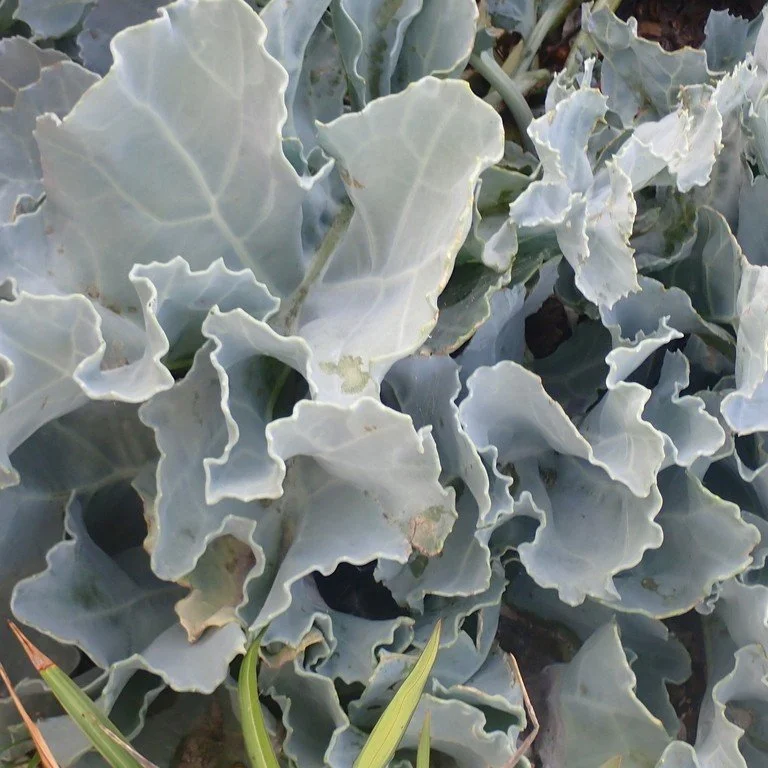
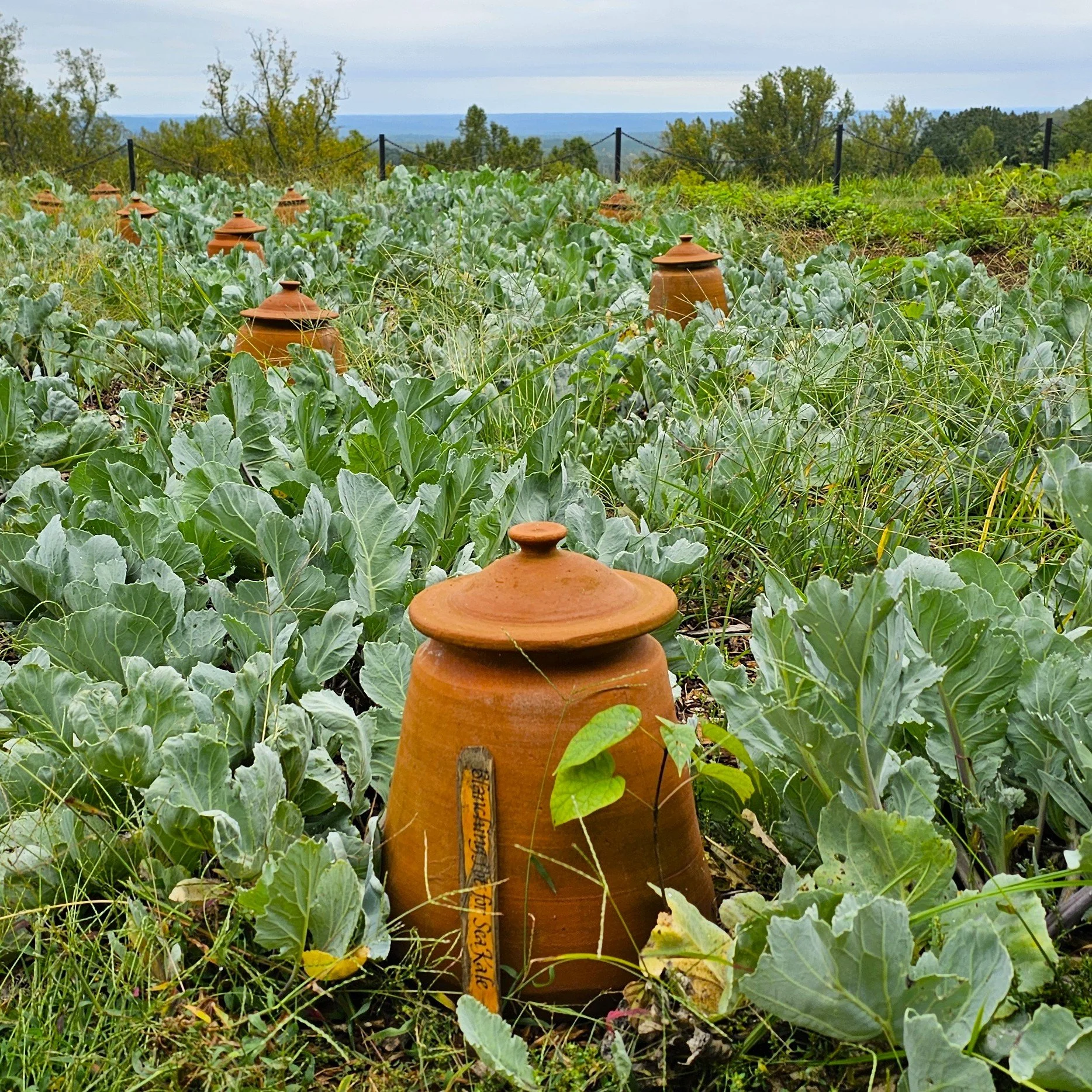
Sea Kale, sometimes simply known as Crambe, is a perennial crucifer species native to the coastal shores of Northern Europe. A relative to cabbage, it has been cultivated for hundreds of years as a food crop and the blanched stems are enjoyed as a vegetable. Unlike Cabbage, Collards, Cauliflower and other brassicas, Sea Kale is a hardy, winter deciduous, perennial plant that returns year after year. In addition to its edible qualities, Sea Kale is also an incredibly attractive plant with large waxy, silver leaves held in loose rosettes. During early summer plants erupt in dramatic plumes of white, baby’s breath-like flowers held high above the foliage.
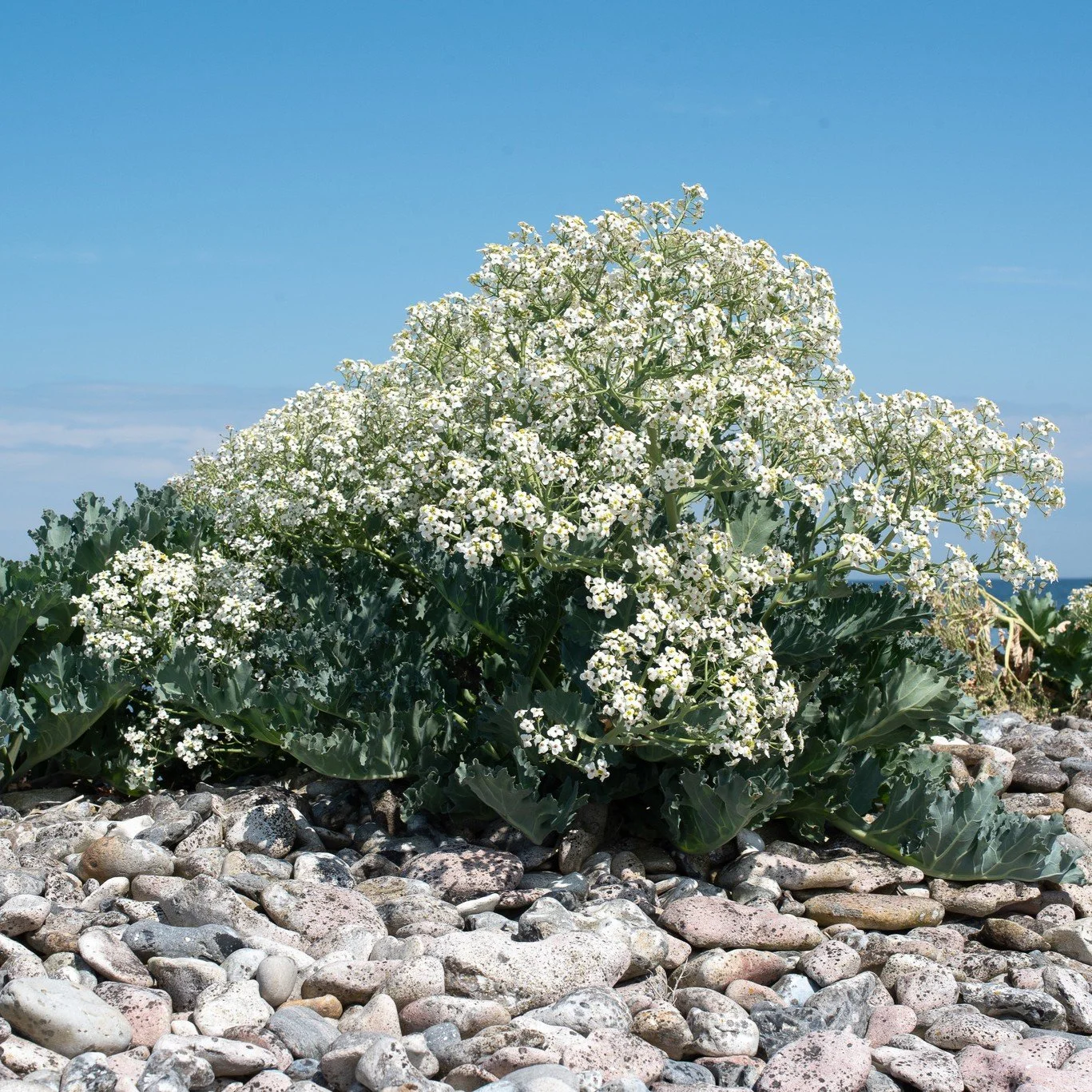
As a coastal native, Sea Kale is adapted to harsh maritime conditions and tolerates full sun, poor soils, salt spray, high winds, and intermittent drought. Plants are long-lived and make a wonderful addition to both edible and ornamental gardens alike. Sea Kale grows to one or two feet high and will form a small clump with time, reaching about three feet wide.
Cold hardy to zone 6a and above, or to -10 degrees Fahrenheit.
For sale are packets of 10 seeds
Crambe maritima
Sea Kale, sometimes simply known as Crambe, is a perennial crucifer species native to the coastal shores of Northern Europe. A relative to cabbage, it has been cultivated for hundreds of years as a food crop and the blanched stems are enjoyed as a vegetable. Unlike Cabbage, Collards, Cauliflower and other brassicas, Sea Kale is a hardy, winter deciduous, perennial plant that returns year after year. In addition to its edible qualities, Sea Kale is also an incredibly attractive plant with large waxy, silver leaves held in loose rosettes. During early summer plants erupt in dramatic plumes of white, baby’s breath-like flowers held high above the foliage.
As a coastal native, Sea Kale is adapted to harsh maritime conditions and tolerates full sun, poor soils, salt spray, high winds, and intermittent drought. Plants are long-lived and make a wonderful addition to both edible and ornamental gardens alike. Sea Kale grows to one or two feet high and will form a small clump with time, reaching about three feet wide.
Cold hardy to zone 6a and above, or to -10 degrees Fahrenheit.
For sale are packets of 10 seeds