

Plantsmas
pronoun
plan·tsmas | \plæns'məs\
Definition of Plantsmas
: a made-up holiday to sell more celebrate plants, seeds, and botanically-inspired gifts
12 Days of Plantsmas…
…12 Days of New Products & Giveaways
Offers valid December 1-12
December 1st
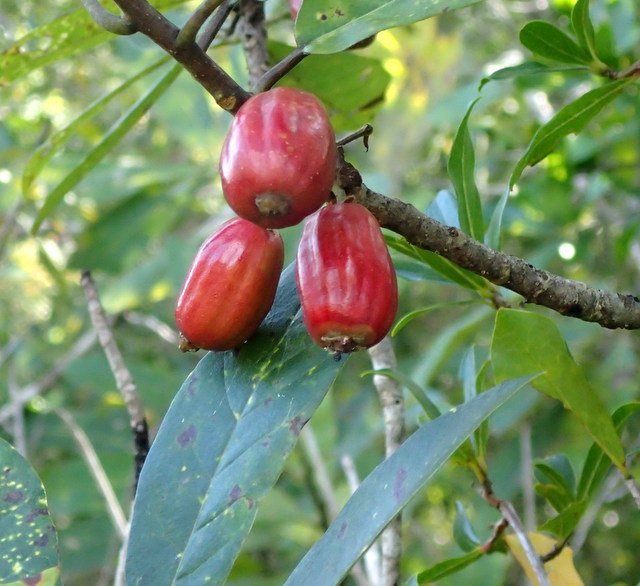
Nyssa ogeche
Ogeechee Lime, also known as White Tupelo or Sour Gum, is a deciduous tree native to the swamps and wetlands of the southeastern United States. In the wild these impressive trees are found growing along slow-moving rivers and are well adapted to saturated soils and occasional flooding. Ogeechee Lime is not related to limes or lemons, but garners its name from its edible fruit that has a sour, citrusy flavor. This species is dioecious and both a male and female plant are needed to produce fruit. In addition to the useful fruit, Ogeechee Lime is an incredibly valuable plant for honey production. Tupelo honey is light in color with a delicate, buttery, and smooth flavor with floral and fruity notes reminiscent of peaches or apricots.
Trees grow up to forty feet high and have an open crown of glossy green leaves. Ogeechee Lime has attractive fall foliage that turns shades of yellow and orange and mature trees develop a buttressed trunk. While plants tolerate wet and soggy conditions, they will also grow well in a standard garden setting with occasional irrigation. We recommend planting in full or partial sun.
Cold hardy to USDA Zone 6b or to -5 degrees Fahrenheit
For sale are packets of 10 seeds
December 2nd
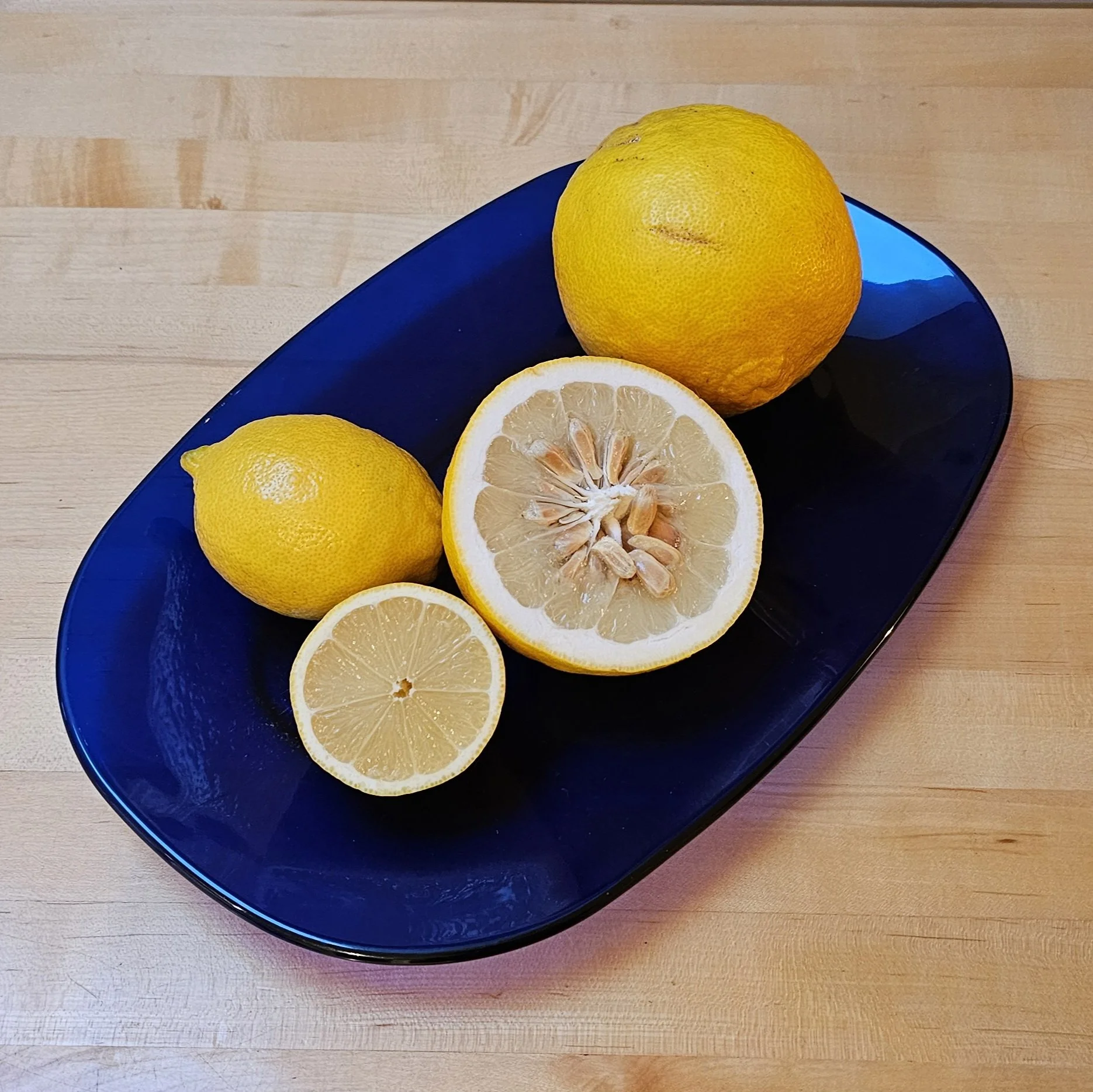
Citrus cavaleriei X C. grandis
Syn. Citrus wilsonii
The Ichang Lemon, also known as the Frost Lemon or Shangjuan, is a cousin to the more common Yuzu and is just as cold hardy. An old variety in its native China, Ichang Lemon has been slow to gain the attention of growers in the United States. Producing large, 4-5 inch round fruit, the Ichang Lemon makes a perfect culinary substitute for the common lemon.
Cold hardy to 10-15 degrees Fahrenheit, Ichang Lemon trees have fruited in temperate climates as far north as New Jersey and even British Columbia, Canada. Growing requirements are similar to other citrus and this variety is well suited to container growing. Ichang Lemon naturally has a shrubby growth habit and will ultimately reach 10 to 15 feet in height if not pruned.
Cold hardy to USDA zones 8a and above, or to 10 degrees Fahrenheit.
For sale are packets of 10 fresh seeds
December 3rd

Tonight at 11:59PM PST we’ll draw a raffle winner for one $25 gift card
December 4th

From now through December 12 all Living Fossils are BOGO
December 5th
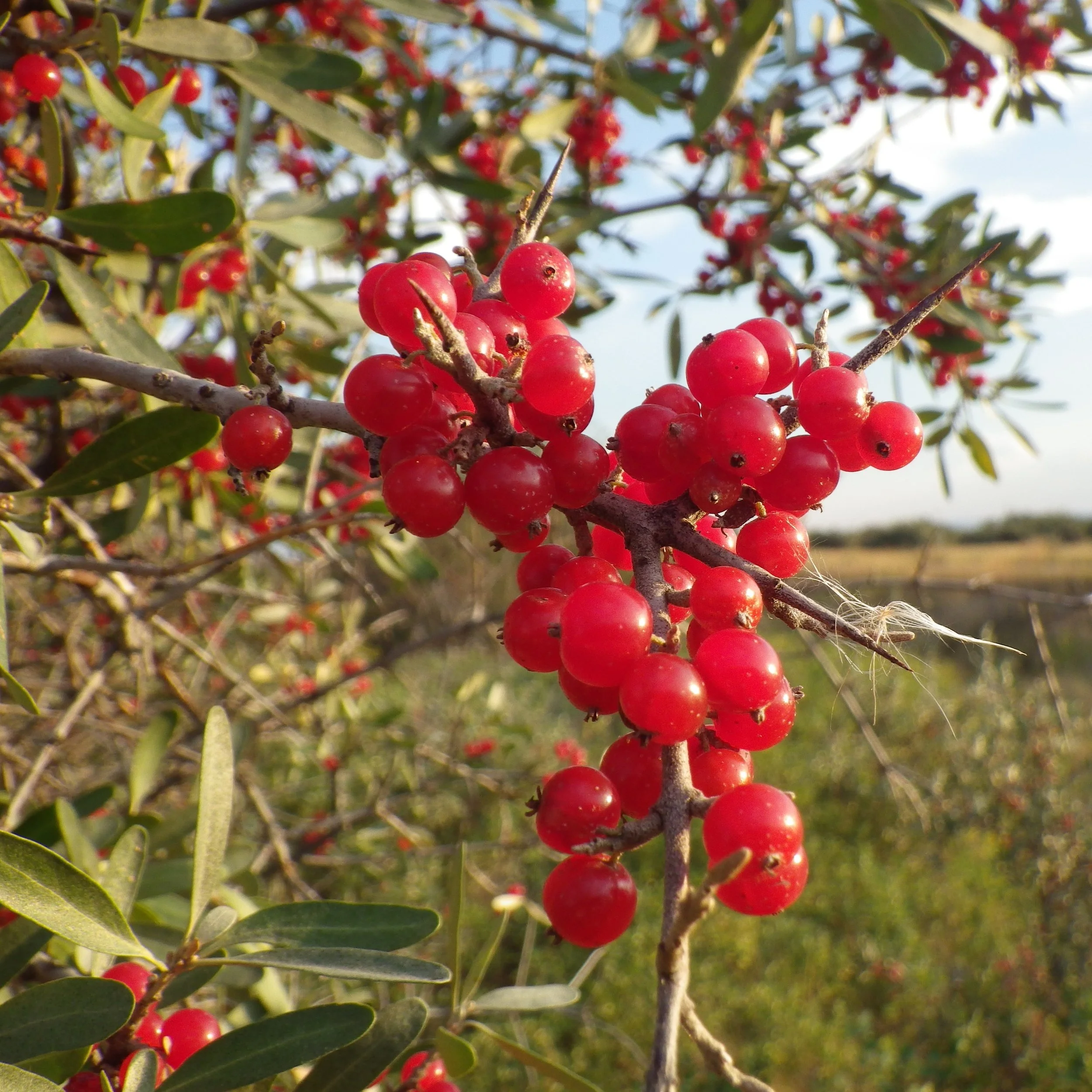
Shepherdia argentea
Silver Buffaloberry is a hardy deciduous shrub native to the northern Great Plains and Intermountain West of North America. As its name suggests, this species has a striking silver color that comes from the fine, reflective scales on its narrow leaves. In addition to its ornamental foliage, Silver Buffaloberry produces a showy, edible, red fruit in late summer that’s popular with wildlife and has a long history of culinary use by Native Americans. Silver Buffaloberry is closely related to Autumn Olives, Canada Soapberry, Goumi, and Sea Buckthorn and the tart fruit can be used in the same ways either fresh or prepared in beverages, preserves, sauces, or confections.
Plants grow between six and fifteen feet high and have a dense habit. They are incredibly drought and cold tolerant and perform well in poor soils. Silver Buffaloberry is a low-maintenance, nitrogen-fixing shrub that is a great choice for erosion control, water-wise gardens, hedgerows, or edible landscaping.
Cold hardy to USDA zone 3 or to -40 degrees Fahrenheit
For sale are packets of 20 seeds
December 6th

Diospyros virginiana
The American persimmon is a deciduous tree native to the eastern United States. Like their cousins, the Asian Persimmons, this species produces an edible fruit that is sweet and rich, with notes of caramel, honey, and spice, and that has a soft, custard-like texture. However, unlike the common grocery-store persimmon, American Persimmons have a more pronounced flavor and plants are much more cold hardy. While Asian Persimmons can only be grown where winter temperatures do not drop below 0 degrees F (USDA Zone 7), American Persimmons trees tolerate winter lows down to -25 degrees F (USDA Zone 4).
Plants grow between thirty and sixty feet high and have a rounded crown and furrowed bark. Attractive, glossy, green, oval leaves turn golden-yellow in fall. Small, fragrant, bell-shaped flowers appear in late spring and male and female flowers are usually borne on separate trees. Females trees produce fruit, which is astringent until ripe and softened. American persimmon thrives in a wide range of soils and prefers full sun.
Cold hardy to USDA Zone 4b or to -25 degrees Fahrenheit
For sale are seed grown, one gallon potted plants
December 7th
Tonight at 11:59PM PST we’ll draw a raffle winner for one $25 gift card
December 8th
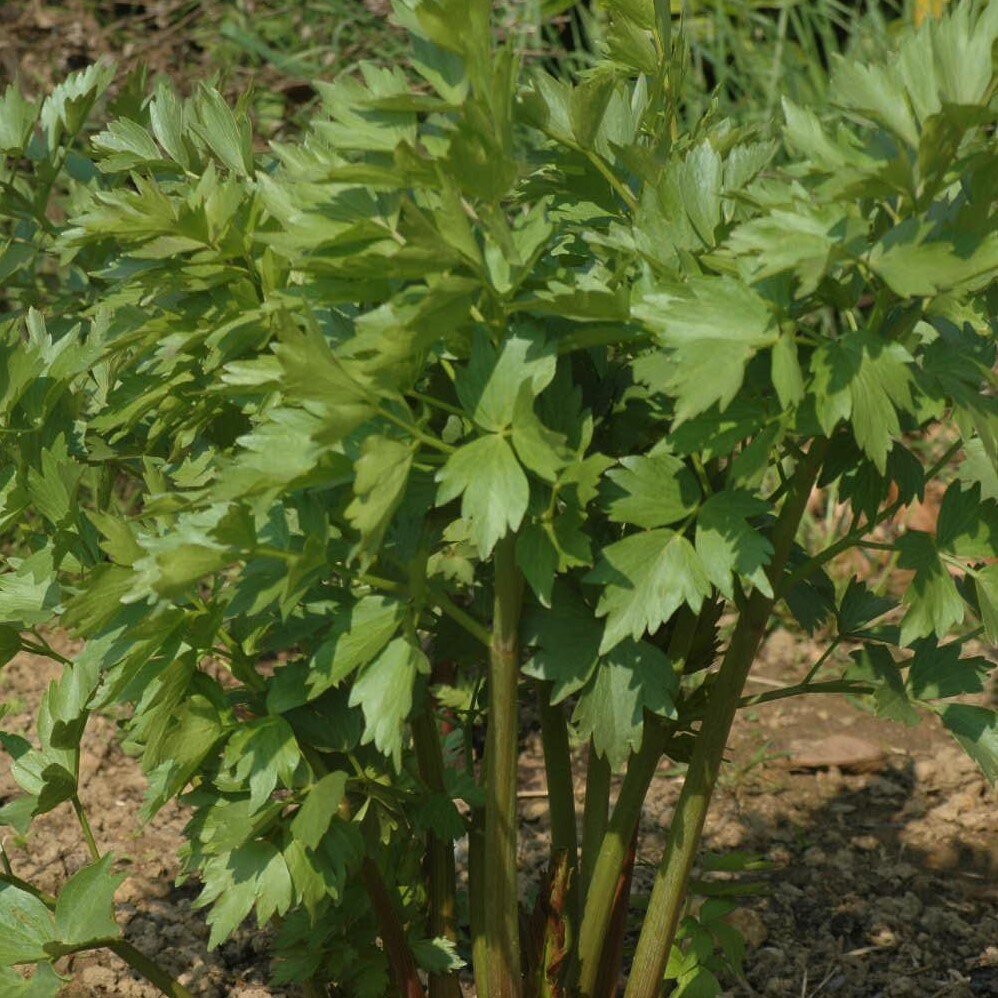
From now through December 12 all Herbs & Spices are BOGO
December 9th
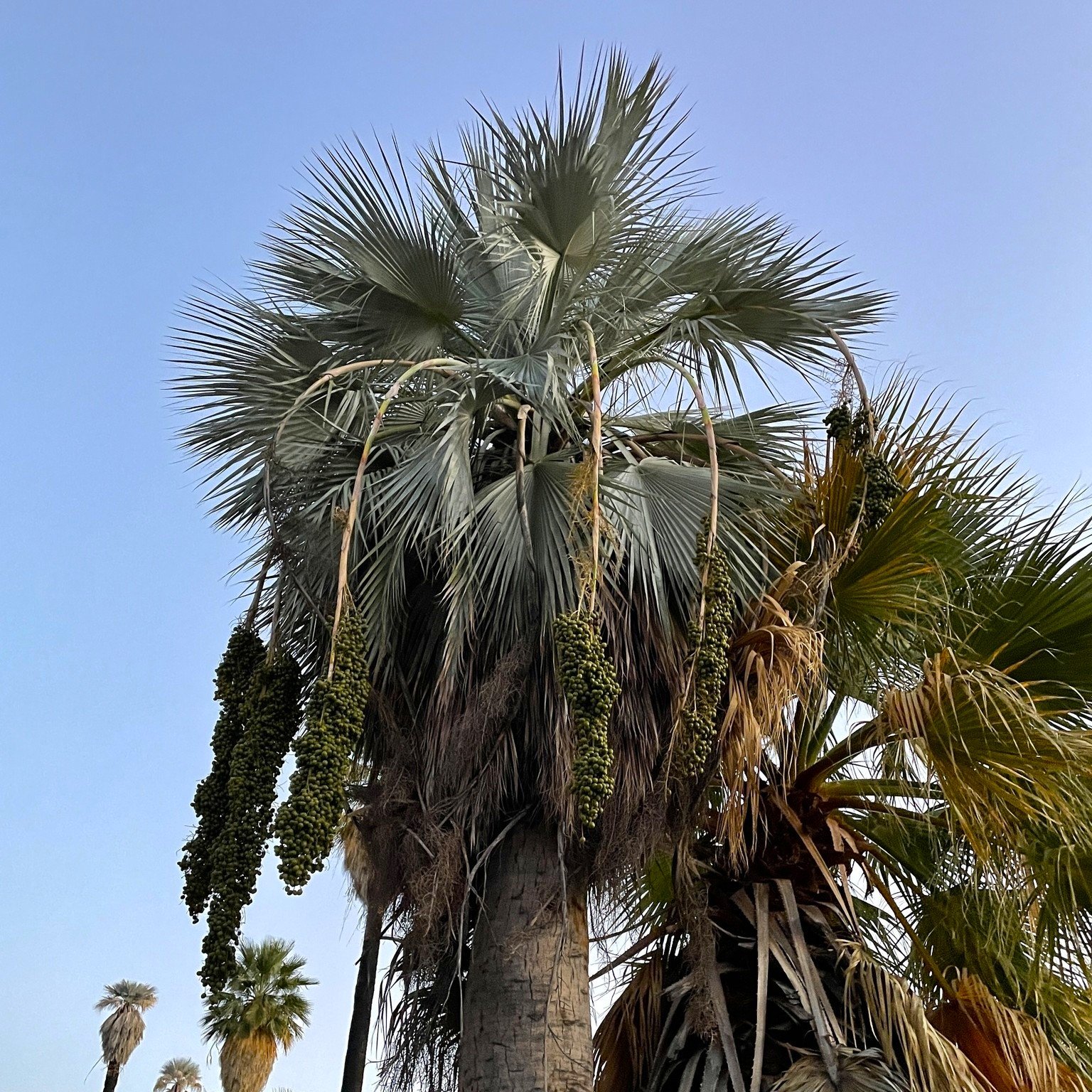
Brahea armata
The Blue Hesper Palm is a distinctive, slow-growing fan palm species native to the northwestern Mexico. It is often grown as an ornamental garden plant for its silvery-gray leaves and dramatic, draping flowers. Mature specimens develop a stout, smooth trunk and are topped with a dense crown of stiff costapalmate fronds. In early summer, Blue Hesper Palms produce long, arching, chartreuse inflorescences that cascade well below the foliage, which lead to small black fruit in fall.
Plants are exceptionally drought tolerant once established and surprisingly cold hardy. They prefer full sun and good drainage. Blue Hesper Palms are slow growing and generally don’t exceed fifteen feet high in cultivation, but exceptionally old plants can reach as high as forty feet.
Cold hardy to USDA zones 8b and above or to 15 degrees Fahrenheit.
For sale are packets of 5 seeds
December 10th
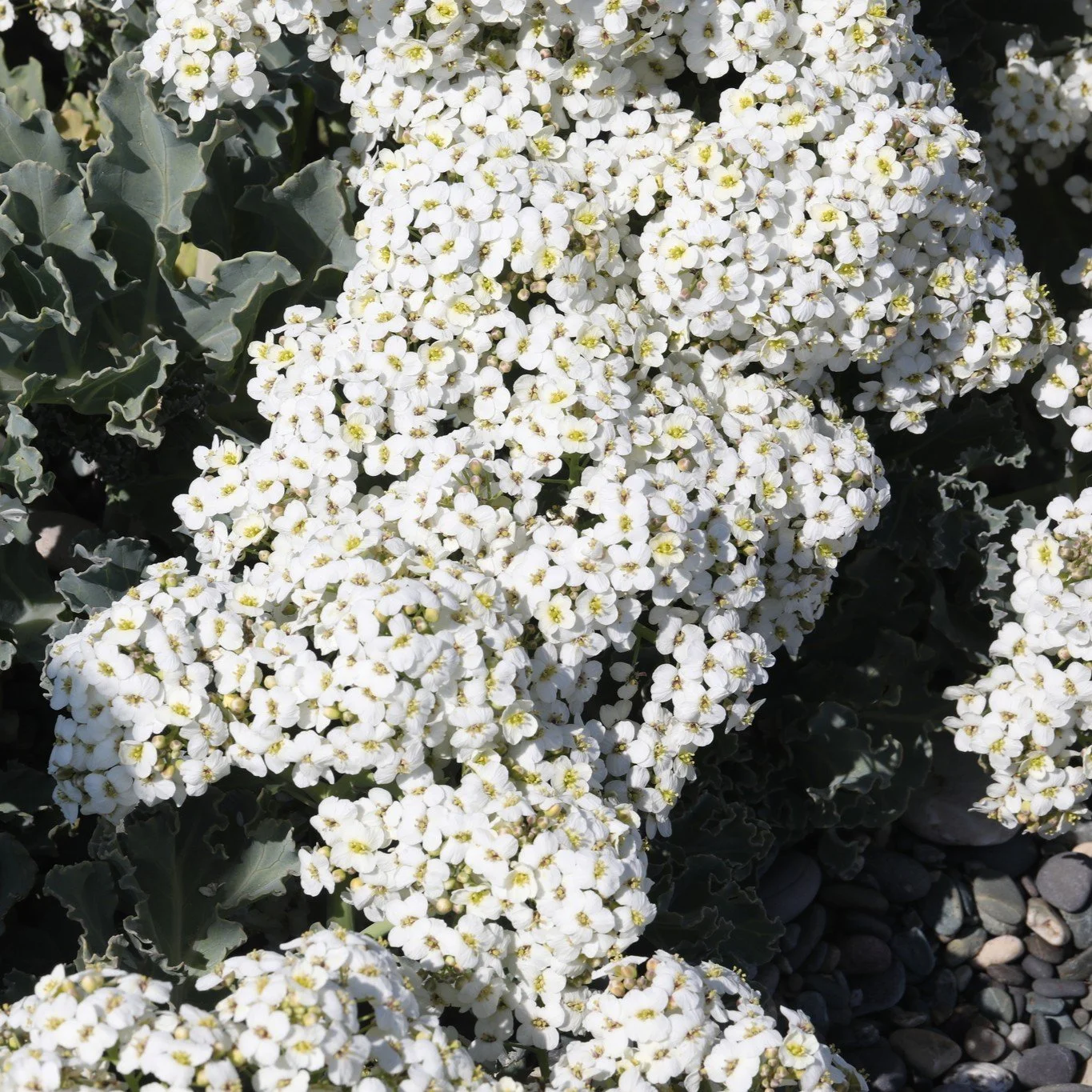
Crambe maritima
Sea Kale, sometimes simply known as Crambe, is a perennial crucifer species native to the coastal shores of Northern Europe. A relative to cabbage, it has been cultivated for hundreds of years as a food crop and the blanched stems are enjoyed as a vegetable. Unlike Cabbage, Collards, Cauliflower and other brassicas, Sea Kale is a hardy, winter deciduous, perennial plant that returns year after year. In addition to its edible qualities, Sea Kale is also an incredibly attractive plant with large waxy, silver leaves held in loose rosettes. During early summer plants erupt in dramatic plumes of white, baby’s breath-like flowers held high above the foliage.
As a coastal native, Sea Kale is adapted to harsh maritime conditions and tolerates full sun, poor soils, salt spray, high winds, and intermittent drought. Plants are long-lived and make a wonderful addition to both edible and ornamental gardens alike. Sea Kale grows to one or two feet high and will form a small clump with time, reaching about three feet wide.
Cold hardy to zone 6a and above, or to -10 degrees Fahrenheit.
For sale are packets of 10 seeds
December 11th
Tonight at 11:59PM PST we’ll draw a raffle winner for one $25 gift card
December 12th

From now through 11:59PM all Palms are BOGO
Plantsmas Frequently Asked Questions
What is Plantsmas?
Plantsmas is a holiday (promotion) that the folks at Wanderlust Nursery just made up because we felt like it. It lasts for twelve days between December 1st and December 12th. Each day features a brand new product or a giveaway.
How do I participate?
Simply visit www.wanderlustnursery.com/plantsmas (this page) every day between December 1st and December 12th to see a new product and new giveaway posted. You can also visit our Facebook or Instagram pages to see each day’s advents or to share your favorite #plantsmas moment.
What are the giveaways?
The 12 giveaways of Plantsmas are a surprise until they are announced each day, but include limited time offers, free gifts, and random product and gift card giveaways.
But what is the spirit of Plantsmas? What does it all mean?
Nobody knows the real meaning of Plantsmas. But as far as we’re concerned we run a holly jolly workshop near the North Pole (or at least the 48th parallel).